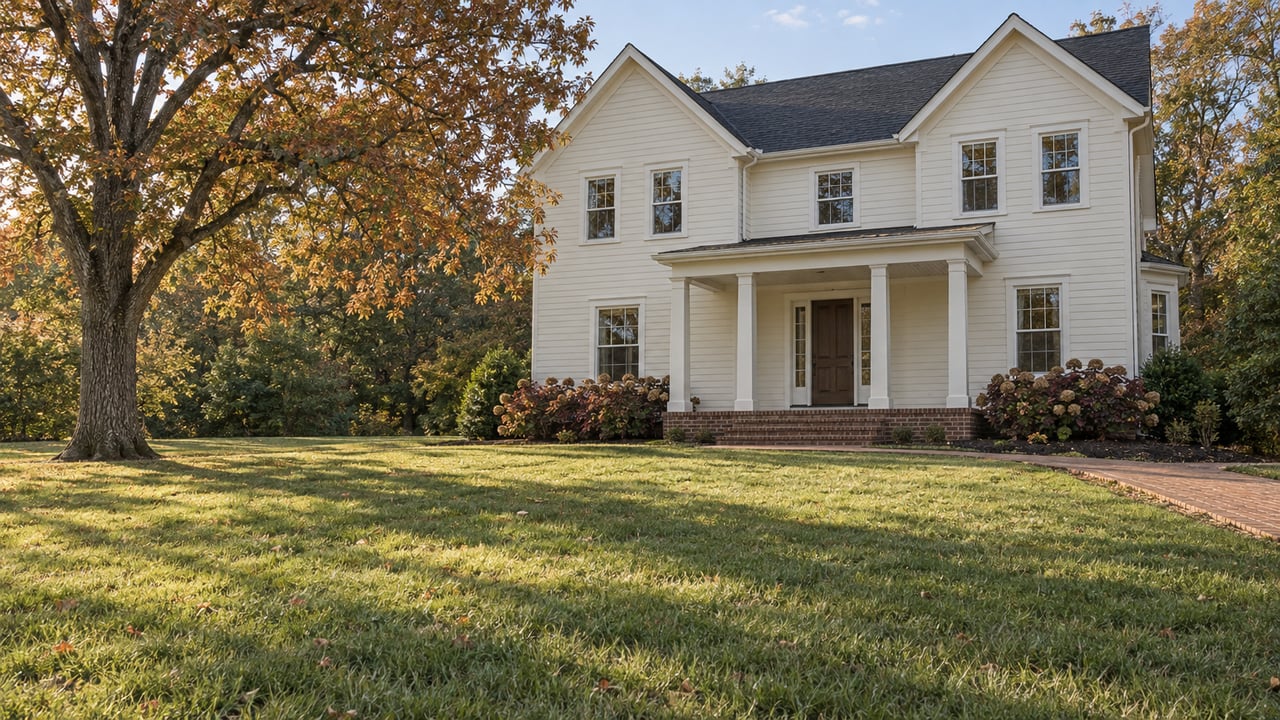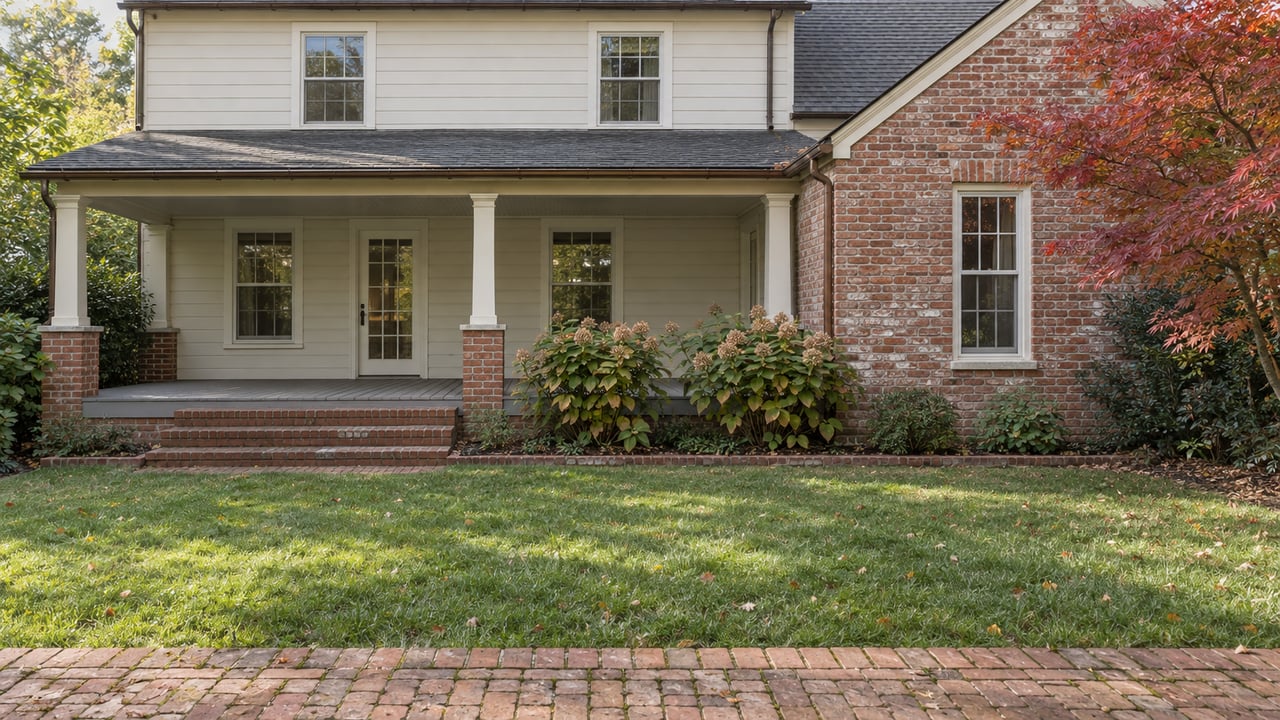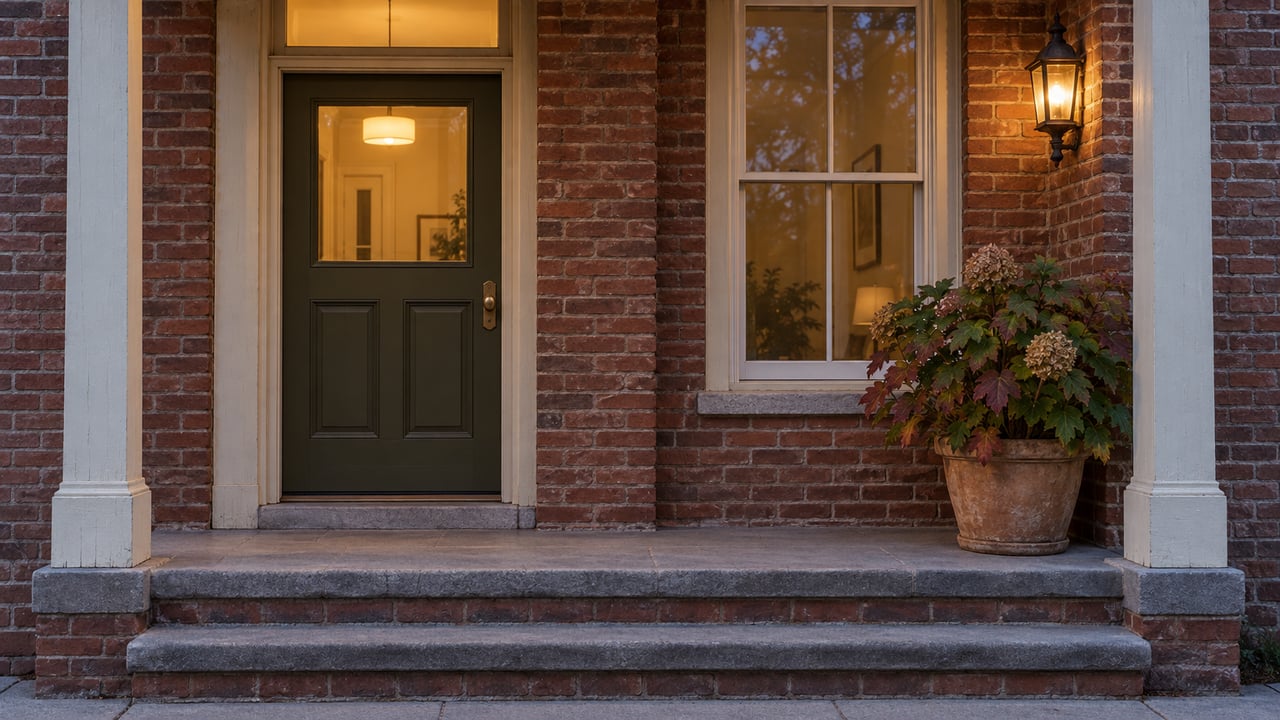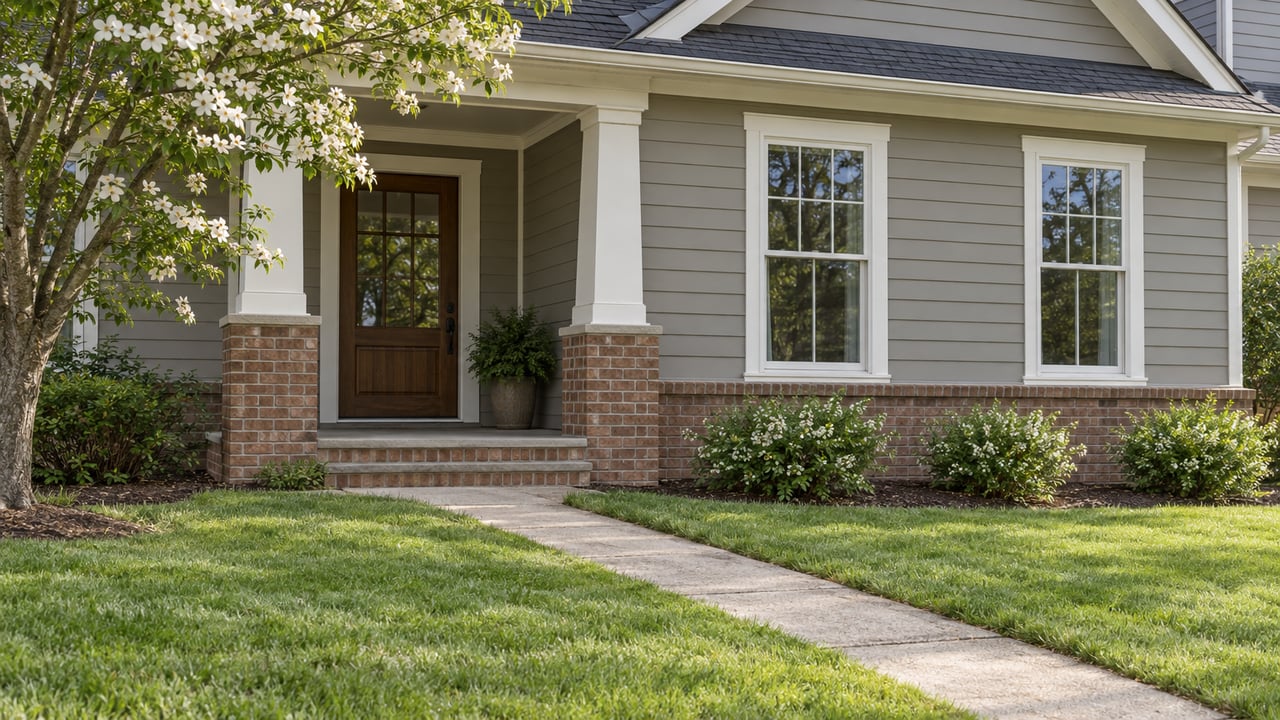
Trying to choose between a charming old Richmond house and a newer home with a simpler upkeep list? You are not alone. In and around Richmond, your options can look very different from one area to the next, and that can make the decision feel bigger than just style. This guide will help you compare historic homes, postwar suburban houses, townhomes, and newer subdivisions so you can focus on what fits your budget, maintenance comfort, and daily life. Let’s dive in.
Richmond Home Types at a Glance
Richmond stands out because so much of its housing is older. The city says it has a little more than 68,000 buildings, with nearly 23% over 100 years old and 81% at least 50 years old. It also notes that about 4,006 properties are in City Old & Historic Districts, and nearly 28,000 properties are listed on state and federal historic registers.
That is a very different profile from nearby suburbs. Henrico’s owner-occupied housing is concentrated in homes built from 1950 to 1999, and Chesterfield reports that 59% of housing was built between 1980 and 1999, with only about 12% built before 1970. One Richmond corridor study found a median year built of 1954 in Richmond and 1985 in Chesterfield, which gives you a simple way to picture the city-suburb divide.
Historic Richmond Homes
For many buyers, historic Richmond homes are the heart of the city’s appeal. Areas such as the Fan, Church Hill, Jackson Ward, Monument Avenue, Shockoe, and St. John’s Church are part of Richmond’s recognized historic fabric. These homes often draw buyers who want architecture, porches, original trim, masonry details, and a close-in location.
The charm is real, but so is the upkeep. Older homes can require more attention to roofs, masonry, windows, paint, plaster, and moisture control. If you love the look and feel of an older house, it helps to go in with clear expectations about ongoing repair and maintenance.
What makes historic homes appealing
Historic homes often offer details that are hard to duplicate in newer construction. You may find brick exteriors, tall windows, woodwork, front porches, and floor plans with a strong sense of character. For buyers who care most about architecture and a central location, that tradeoff can be worth it.
You may also feel more connected to the city’s history in an older home. That connection can be a major plus if you want a property that feels distinctive rather than standardized. Still, charm works best when it lines up with your budget and your tolerance for projects.
What to watch before you buy
Richmond’s historic housing stock needs careful inspection. National Park Service guidance notes that historic buildings benefit from repair and maintenance rather than wholesale replacement, and that older windows can often be repaired. It also says brick masonry should be monitored for cracking, spalling, bowing, and mortar deterioration.
Moisture is another big issue to watch. Roof-related movement and water intrusion can damage masonry, wood, plaster, paint, and structural parts of the home. In practical terms, that means a thorough inspection matters even more when you are buying an older property.
Historic district rules in Richmond
If a property is in a City Old & Historic District, exterior changes may need review. The City of Richmond says the Commission of Architectural Review is the official body that reviews exterior changes and issues Certificates of Appropriateness. That does not mean you should avoid these homes, but it does mean you should understand the process before planning exterior updates.
For buyers, this is one of the biggest differences between a historic house and a newer home. Your home may have more architectural distinction, but exterior work can involve added review. Knowing that upfront can help you plan both your timeline and your renovation budget.
Lead paint concerns in older homes
If you are buying a home built before 1978, lead-based paint is an important issue to review. Richmond’s Housing and Community Development office says its lead-based hazard control work applies to housing built before 1978 where children under six live or play, or where a pregnant woman may reside. That makes pre-1978 inspection, disclosure, and remediation planning especially important.
This does not mean every older home is a bad fit. It means you should ask the right questions before closing and understand what future work might be needed. A careful review now can help you avoid surprises later.
Postwar Homes in Henrico and Chesterfield
If you want a middle-ground option, postwar suburban homes are often worth a close look. These homes usually offer more predictable layouts and fewer preservation-related restrictions than many properties in Richmond’s historic core. For many buyers, that creates a practical balance between character, space, and upkeep.
Henrico’s housing data shows that 35% of owner-occupied units were built from 1980 to 1999 and 37% from 1950 to 1979. Chesterfield reports that 59% of housing was built from 1980 to 1999. So when you compare Richmond with its suburbs, a large part of the suburban inventory is not brand-new construction. It is mid-century through late-20th-century housing.
Why buyers like postwar homes
Postwar homes often work well for buyers who want detached housing without taking on a full historic-home maintenance list. You may find more standardized floor plans, larger lots in some areas, and fewer questions about preservation review. That can make the buying process feel more predictable.
These homes can also offer a nice compromise on price and space. In the Richmond area, the safest way to think about values is as a broad band, with recent price anchors in the mid-$300,000s to low-$400,000s. The exact price will still vary a lot by condition, updates, lot size, and location.
The maintenance is different, not gone
One common mistake is assuming that a postwar home will be easy just because it is newer than a historic property. In reality, these homes still come with replacement-cycle costs. Roofs, HVAC systems, plumbing, electrical systems, windows, and insulation all age, and those expenses can reshape your budget over time.
For buyers, that means looking beyond the listing photos. A thorough inspection can help you understand whether the home is simply older in style or older in systems too. That is an important distinction when you are comparing value.
Townhomes and Newer Subdivisions
If low-maintenance living is high on your list, townhomes and newer subdivision homes may be the strongest fit. Townhomes are usually the attached-housing option in the market, which often appeals to buyers who want less exterior upkeep than a detached house. They can also offer a more convenient location than some farther-out subdivisions.
As you move outward from Richmond’s core, you are more likely to run into newer subdivision product. Chesterfield planning documents show that residential construction peaked in the mid-1980s and again in the 2000s. That helps explain why many buyers searching farther from the city center find more late-20th-century and newer neighborhood options.
What buyers usually gain
The biggest advantage of newer homes is usually not zero maintenance. It is fewer immediate big-ticket replacements and a more standardized layout. If you want a home that may feel more move-in ready from day one, newer construction or newer resale homes can be appealing.
Townhomes can also reduce exterior responsibilities compared with a detached home. For buyers with busy schedules, that can make ownership feel more manageable. Just remember that less exterior work often comes with HOA rules or dues.
What to budget for anyway
Even newer homes need regular spending. You should still budget for maintenance, repairs, utilities, taxes, insurance, and any HOA dues that apply. A newer roof or HVAC system can lower the chance of immediate replacements, but it does not remove the ongoing cost of ownership.
That makes budgeting one of the smartest comparison tools. A lower-maintenance home may cost more upfront or include HOA dues, while an older home may have a lower entry price but more repair risk. The right answer depends on which type of expense fits your comfort level.
How to Compare Richmond Home Types
If you are stuck between historic charm and newer convenience, start by thinking about your priorities in plain terms. The best home for you is not always the most beautiful or the newest. It is the one that fits how you want to live and what you want to spend your time managing.
Here are a few simple ways to frame the decision:
- Choose historic Richmond housing if architecture, close-in location, and original details matter more to you than a longer maintenance list.
- Choose postwar suburban housing if you want a balance of space, more predictable layouts, and fewer preservation-related issues.
- Choose townhomes or newer subdivisions if you want fewer exterior responsibilities and feel comfortable with HOA rules or dues.
Questions to ask yourself
Before you narrow your search, ask yourself:
- How much maintenance am I realistically comfortable handling?
- Do I want a home with unique features, or a home with a more standard layout?
- Am I open to exterior review requirements if I buy in a historic district?
- If the home was built before 1978, have I reviewed lead paint disclosures and possible next steps?
- Would I rather budget for repairs over time, or pay more upfront for a newer setup?
These questions can save you from chasing the wrong kind of home. They also help you compare properties based on ownership experience, not just curb appeal.
Pricing in Richmond and the Suburbs
Price matters in every category, but in Richmond it helps to stay flexible. Census QuickFacts places median owner-occupied housing value at $353,000 in Richmond, $359,200 in Henrico, and $366,000 in Chesterfield. Recent market snapshots put Richmond around the upper-$300,000s to low-$400,000s depending on the source and timing.
The key point is not one exact number. It is that the same area can vary widely based on renovation level, condition, and lot size. That is especially true when you compare an updated historic home, an older suburban resale, and a newer subdivision property.
Which Home Type Fits You Best?
There is no one-size-fits-all answer in Richmond. A historic city house may be perfect if you care most about character and location. A postwar home in Henrico or Chesterfield may be the better fit if you want practical space and a more familiar upkeep pattern. A townhome or newer subdivision may make the most sense if you want a more streamlined ownership experience.
What matters most is making the comparison with open eyes. When you understand maintenance, approval requirements, lead-paint issues, and likely budget needs, you can choose a home type that supports your life instead of complicating it.
If you are weighing Richmond charm against suburban simplicity, talking through the options with a local broker can make the next step much clearer. Hank Cosby brings a hands-on, practical approach to helping buyers compare home types across Richmond-area suburbs and find the right fit for their goals.
FAQs
What makes historic homes in Richmond different from newer homes?
- Historic Richmond homes often offer original architectural details, masonry construction, and close-in locations, but they can also require more maintenance and may involve exterior review rules in City Old & Historic Districts.
What should buyers know about Richmond historic district rules?
- In Richmond City Old & Historic Districts, exterior changes may need review by the Commission of Architectural Review, which issues Certificates of Appropriateness.
What is the main advantage of postwar homes in Henrico and Chesterfield?
- Postwar homes often give you a middle-ground option with more predictable layouts, fewer preservation-related restrictions, and a practical balance of space, price, and upkeep.
Are newer homes and townhomes in the Richmond area maintenance free?
- No. Newer homes and townhomes may reduce immediate big-ticket replacement risk, but you still need to budget for maintenance, repairs, utilities, taxes, insurance, and possibly HOA dues.
What lead paint issues should buyers check in older Richmond homes?
- If a home was built before 1978, you should review lead-based paint disclosures and plan for inspection or remediation questions, especially where children under six live or play or where a pregnant woman may reside.
How should buyers compare home prices across Richmond, Henrico, and Chesterfield?
- It is best to think in broad ranges rather than one exact number, because price can vary widely by condition, renovation level, location, and lot size across all three areas.