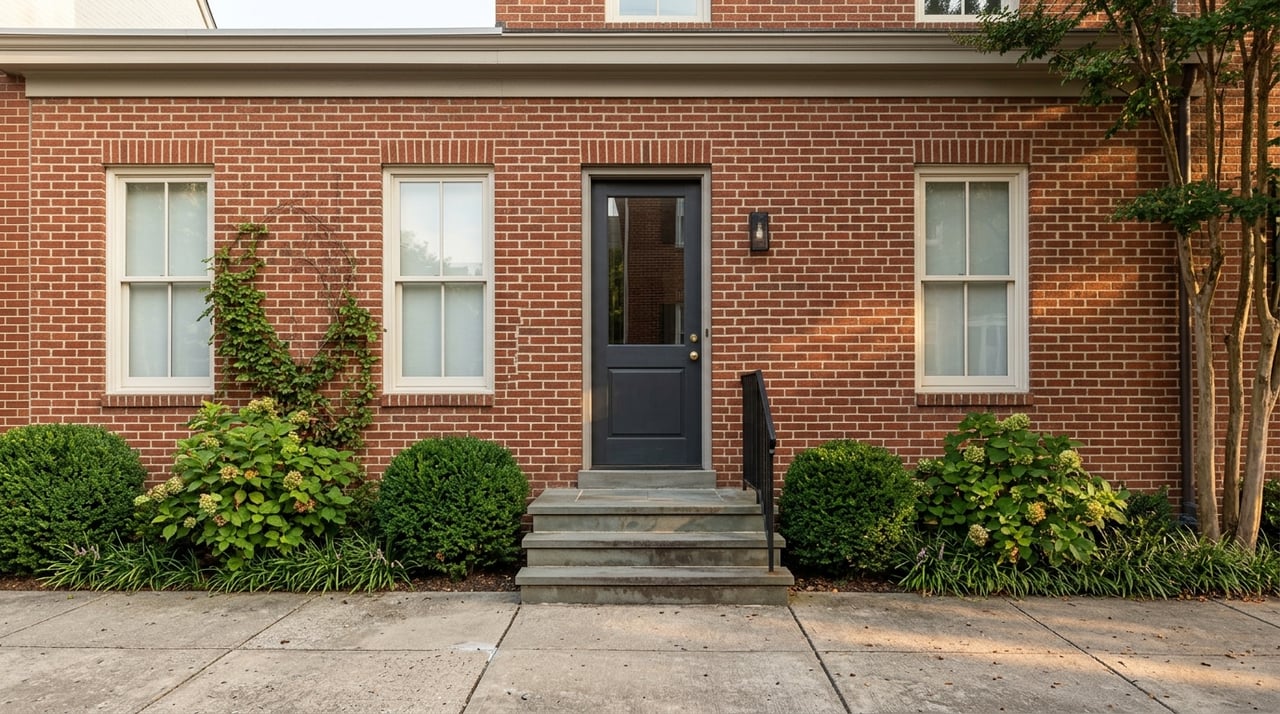
Buying a home in Richmond can move faster than many buyers expect. With homes in Richmond City selling in about 30 days in February 2026 and 35.9% selling above list price, it helps to start early and stay organized. If you want a smoother path from planning to closing, this guide walks you through the timeline, key steps, and a few Richmond-specific details that can affect your move. Let’s dive in.
Start Before You Tour Homes
A strong home buying timeline begins before you ever schedule a showing. In a market that can move quickly, the buyers who are ready early often have more flexibility when the right home appears.
One of the first steps is understanding the difference between pre-qualification and pre-approval. According to Virginia Housing’s guide on pre-qualification and pre-approval, pre-qualification is a basic estimate based on information you provide, while pre-approval is a written, conditional commitment that reviews your income, debts, assets, employment history, and credit.
That difference matters in Richmond. Pre-approval gives sellers stronger evidence that you are a serious and financially prepared buyer, which can make a real difference when homes are moving quickly.
Build Your Buying Team Early
Your timeline usually works best when you line up your key people first. Virginia Housing’s homebuying process outlines a practical flow: learn the process, choose a lender, find a real estate agent, finalize the mortgage application, and attend closing.
In plain terms, that means your early checklist should include:
- Choosing a lender
- Getting pre-approved
- Connecting with your real estate agent
- Defining your budget and monthly comfort level
- Narrowing down the type of home you want
When these pieces are in place, you can shop with more confidence and make decisions faster.
Consider Virginia Housing Programs
If you may use Virginia Housing financing, it is smart to ask questions early. The Virginia Housing loan options guide notes that buyers may have access to programs such as a Down Payment Assistance Grant, a Closing Cost Assistance Grant, and a Plus Second Mortgage.
The same guide also says the free homebuyer class is required for anyone applying for a Virginia Housing home loan. If that applies to you, building that class into your timeline upfront can help prevent delays later.
A Simple Richmond Home Buying Timeline
Every purchase is different, but most buyers can think about the process in four phases. Keeping the timeline simple can make the entire experience feel more manageable.
Phase 1: Prep and Pre-Approval
This is the planning stage. You gather financial documents, compare lenders, review your budget, and get pre-approved.
Depending on how quickly you can provide documents and make decisions, this stage may take a few days or a few weeks. The main goal is to be fully ready before you fall in love with a home.
Phase 2: Home Search and Offer
Once you are pre-approved, you can begin touring homes and watching new listings closely. In a faster-moving market, hesitation can cost you time, so it helps to know your priorities in advance.
This phase can be very short or much longer depending on inventory, price point, and what you want. Some buyers find a match quickly, while others need more time to compare options and neighborhoods.
Phase 3: Contract to Closing
After your offer is accepted, the timeline becomes more structured. Freddie Mac explains that the closing period typically lasts about 30 to 45 days, though some transactions take longer.
This is the busiest part of the process behind the scenes. Your lender, title company, inspectors, appraiser, and agent are all working through different steps at the same time.
Phase 4: Final Review and Closing Day
The last few days are about confirming details, reviewing paperwork, and preparing funds and documents for the closing table. This stage is shorter, but it is important because small delays can still affect your scheduled closing date.
If you stay responsive and organized, this final stretch is usually more about verification than big surprises.
What Happens After Your Offer Is Accepted
Once you are under contract, it helps to think about the next 30 to 45 days as three parallel tracks. That makes the process easier to follow and helps you understand why your lender or closing team may contact you often.
Underwriting and Documents
Your lender will continue reviewing your file and may ask for updated or additional paperwork. The CFPB’s closing guidance recommends staying alert for lender requests and notifications during this period.
This is not unusual, even if you were already pre-approved. Responding quickly can help keep your loan on schedule.
Inspection, Appraisal, and Insurance
During this window, the appraisal is completed and buyers usually schedule a home inspection. Freddie Mac’s pre-closing overview also notes that buyers typically shop for homeowners insurance and title insurance before closing.
Virginia Housing’s homebuying process places homeowners insurance and the choice of a closing agent in this same stage. These tasks may seem small, but they are essential pieces of the closing timeline.
Title Work
A title search is another major part of this phase. Freddie Mac says buyers should confirm that the title search has been completed so there are no last-minute surprises before closing.
This step helps verify that the property can be transferred properly and that any title issues are addressed before you sign final paperwork.
Key Documents To Expect
The mortgage and closing process includes several documents, but two are especially important for your timeline.
First, Freddie Mac notes that you usually receive a Loan Estimate within three business days after applying for a mortgage. This document helps you understand and compare the projected costs of your loan.
Later, your Closing Disclosure becomes one of the most important final documents. According to the Consumer Financial Protection Bureau, you must receive the Closing Disclosure at least three business days before closing.
That review period matters. It gives you time to check loan terms, cash needed to close, and other final details before sitting down at the closing table.
What To Do In The Final Week
The last week before closing is mostly about review and confirmation. This is the time to slow down, double-check details, and avoid last-minute scrambling.
A helpful final-week checklist includes:
- Review your Closing Disclosure promptly
- Confirm your closing date, time, and location
- Send or prepare certified funds if required
- Finalize homeowners insurance
- Confirm the title and closing arrangements
- Schedule your final walk-through
- Keep an eye on lender emails and document requests
Freddie Mac recommends requesting a formal final walk-through about 24 hours before closing. That walk-through gives you a chance to confirm the home’s condition and make sure agreed-upon items are still in place.
What To Bring On Closing Day
Closing day feels exciting, but it also runs more smoothly when you know what to bring. Freddie Mac’s closing day checklist says buyers should be ready with:
- A government-issued ID
- Certified funds or wire confirmation for down payment and closing costs
- Proof of homeowners insurance
- A copy of the purchase contract
Virginia Housing’s process guide notes that closing is the final step where loan documents are signed and keys are received. Depending on local practice, the closing may take place at a title company, escrow office, or attorney’s office.
Richmond-Specific Recording Details
Richmond buyers should also know that the process does not fully stop the moment you sign. After closing, documents still need to be officially recorded.
The City of Richmond Circuit Court Clerk records deeds, deeds of trust, and other land transaction documents. The clerk also requires the tax map reference number or PIN to appear on the first page of the deed or related instrument.
The same office notes that documents submitted after normal recording hours are recorded the next business day. That means a timing issue or missing parcel information can slow the final public record update, even after the closing appointment is complete.
The clerk also states that it does not perform title searches, so that work belongs to an attorney or title insurance company. For buyers, this is one more reason the title and closing side of the transaction needs careful attention.
How To Keep Your Timeline On Track
Richmond home buying is much easier when you treat the process like a sequence of deadlines instead of a single big event. A few practical habits can make a big difference.
Here are some of the best ways to stay on schedule:
- Get pre-approved before you seriously shop
- Keep your financial documents easy to access
- Respond to lender requests quickly
- Ask questions early if you are using assistance programs
- Review disclosures as soon as they arrive
- Confirm final walk-through and closing logistics ahead of time
If you are buying in or around Richmond, it also helps to work with someone who can guide you through the local pace and keep communication moving from start to finish.
Buying a home can feel like a lot of moving parts, but the process becomes much more manageable when you know what happens next. If you want clear guidance, local perspective, and steady support as you plan your move, connect with Hank Cosby to talk through your next steps.
FAQs
How long does the Richmond VA home buying process usually take?
- A typical timeline varies, but once your offer is accepted, closing often takes about 30 to 45 days according to Freddie Mac.
Why is pre-approval important for buying a home in Richmond VA?
- Pre-approval shows sellers that your finances have been more fully reviewed, and Virginia Housing says it can be more valuable to sellers than pre-qualification.
What happens after my offer is accepted on a Richmond home?
- After acceptance, your transaction usually moves through underwriting, appraisal, inspection, title work, insurance setup, and final document review before closing.
When do I get the Closing Disclosure in a Virginia home purchase?
- Federal rules require that you receive the Closing Disclosure at least three business days before closing.
What should I bring to closing for a home purchase in Richmond VA?
- Buyers should generally bring a government-issued ID, proof of homeowners insurance, certified funds or wire confirmation, and a copy of the purchase contract.
What is a Richmond recording step after closing?
- After signing, deed-related documents are recorded with the City of Richmond Circuit Court Clerk, and recording timing can depend on submission details and office hours.