Ever catch yourself picturing wide‑open skies, a long gravel drive, and room for a garden or horses? If you’re eyeing acreage in Powhatan, you’re not alone. You want space, privacy, and a quieter pace without losing reach of Richmond. In this guide, you’ll learn what day‑to‑day life on land really looks like in Powhatan, the upkeep to plan for, the permits and checks you need, and smart steps before you buy. Let’s dive in.
Daily life on acreage in Powhatan
Space, privacy, and hobbies
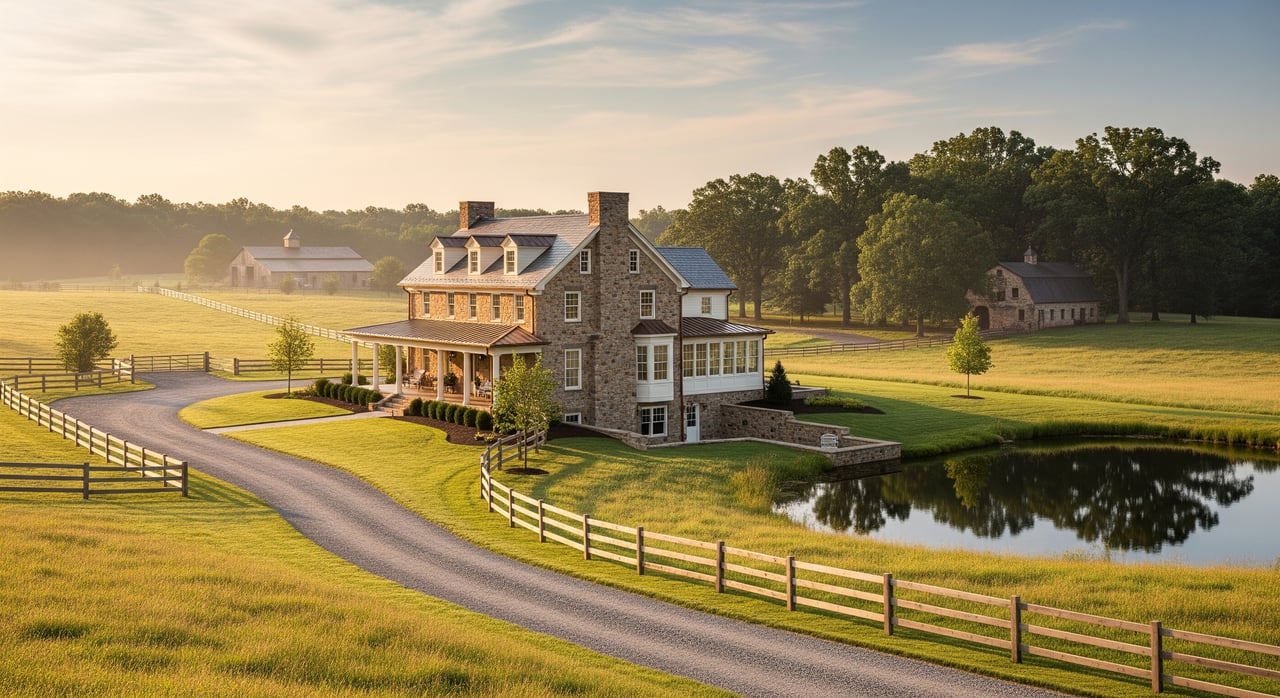
You can expect generous yards, wooded buffers, and more distance from neighbors than in subdivisions. Many properties mix pasture, timber, streams, and mature trees, which supports hobbies like gardening, small livestock, horseback riding, or a workshop. Privacy is a big draw. Tree lines and longer road frontage often let you set the home and outbuildings back from view.
Commute and access to Richmond
Powhatan sits west and southwest of Richmond. Your commute depends on where you buy in the county and the roads you use. Typical drive times to downtown Richmond often fall roughly in the 25 to 45 minute range, and traffic or routing can shift that up or down. Proximity to major roads and services varies widely by parcel, so always test the drive at your usual commute hours.
Utilities and services to plan for
Well and septic basics
Many acreage homes use private wells and on‑site septic systems. Before you buy, ask about well yield, water quality, and septic capacity and condition. Routine septic pumping typically happens every 3 to 5 years. Costs vary by tank size and local rates, but expect it to land in the hundreds of dollars. Keep records and schedule regular water testing and septic maintenance to avoid surprises.
Power, heat, and internet
Electric service is provided by regional utilities. Natural gas is limited in rural areas, so many owners heat with propane or oil. Internet and cell coverage can be spotty. Some locations have fiber or fixed‑wireless options, while others rely on satellite or cellular hotspots. Confirm providers by the exact parcel address and review coverage maps before you decide.
Safety and insurance considerations
Emergency response can take longer than in dense suburbs. Plan for clear driveway access, visible addresses, and defensible space around structures. Insurance costs for rural properties can be higher, especially if you have ponds, livestock, or large wooded tracts. Flood insurance may be required if a portion of the land lies in a mapped floodplain. Talk with your insurance agent early so your budget reflects the property’s real risk profile.
Upkeep and seasonal tasks
Driveways and private roads
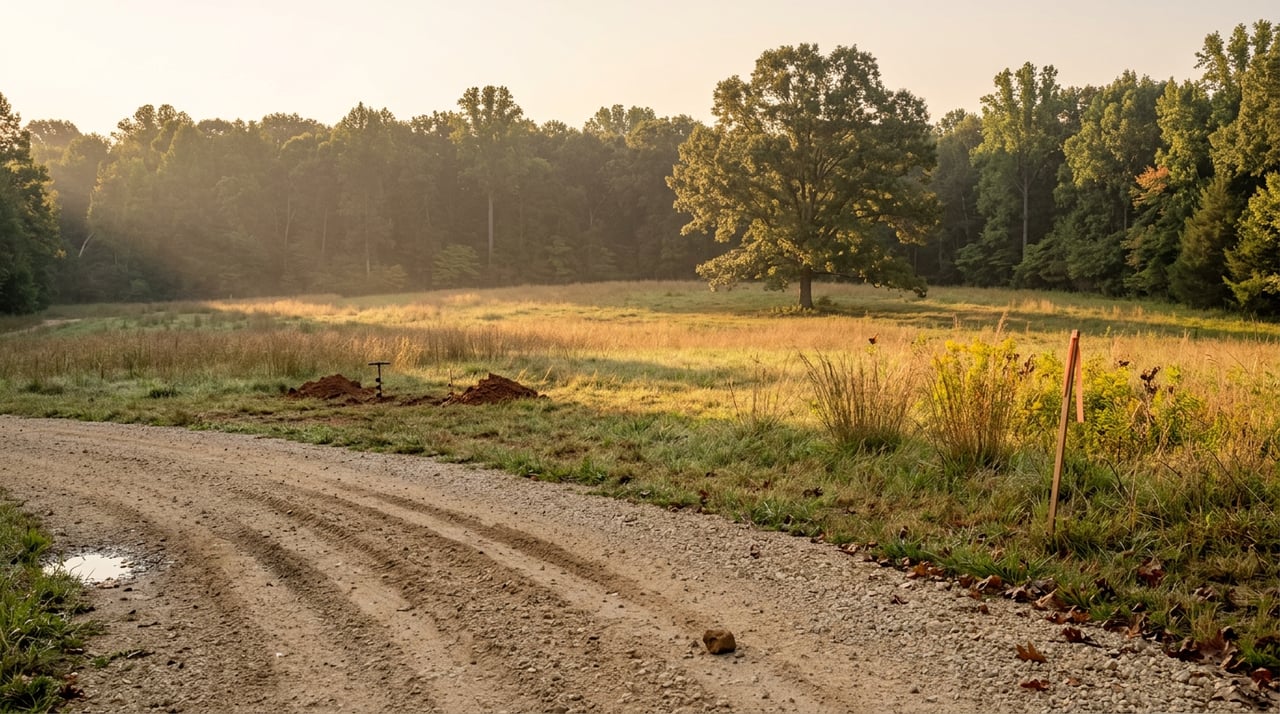
You are responsible for maintaining private drives, culverts, and ditches. Grading and fresh gravel happen as needed, especially after heavy storms. Costs range widely based on length, slope, and drainage. If you share a private road, make sure there is a written road maintenance agreement and a plan for storm cleanup.
Pastures, trees, and fences
Expect mowing, pasture rotation, and occasional spraying for weeds or invasives. Tree care is an ongoing task because Virginia’s hardwoods can drop limbs or fall in storms. If you keep animals, fence installation and repairs are recurring line items. Budget for materials and choose fence types that match your use, from board fencing for horses to woven wire for small livestock.
Storms, snow, and wildlife
The county clears public roads, but your driveway is on you. After storms, you may need to remove downed trees and debris. Wildlife is part of rural life. You will see deer and turkeys. Ticks and mosquitoes are common in warm months. Plan for prevention, regular yard care, and safe storage of feed and trash.
What you can build and where
Permits, zoning, and covenants
Most new structures and major changes require permits from Powhatan County. Zoning rules and setbacks govern what you can build, where you can place it, and whether certain uses are allowed. Some properties have few deed restrictions, while others include covenants that limit uses. Review zoning, setbacks, and any covenants before you commit, and confirm requirements with the county.
Boundaries and easements
Order a current boundary survey so you know exactly where fences, driveways, and utility easements lie. Many rural disputes start with unclear lines or access questions. Confirm rights of ingress and egress if a road crosses a neighbor’s land or if others cross your parcel to reach theirs.
Environmental constraints
Streams, wetlands, and floodplain areas can limit where you build and place septic systems. Soils can also affect septic performance. Ask for soil or percolation test results and review any septic permits on file. If you plan a new structure, factor in buffers, setbacks from water features, and the location of existing systems.
Due diligence checklist before you buy
- Verify power, internet, and fuel options by the exact address.
- Order a boundary survey and confirm all access rights.
- Get a septic inspection and well test before closing. Request repair estimates if needed.
- Confirm zoning, setbacks, and any deed covenants or restrictions.
- Ask about wetlands, floodplain, and stream buffers on the parcel.
- Review utility easements, any conservation or timber rights, and mineral rights.
- Clarify who maintains private roads and driveways, and how costs are shared.
- Budget for regular maintenance and potential upgrades like driveway resurfacing or system replacements.
- Consider a professional appraisal and work with a local agent who knows acreage.
Acreage vs subdivision living
Common upsides
- More privacy and space for outdoor hobbies, vehicles, and shops.
- Scenic views with fewer immediate neighbors.
- Potential for self‑sufficiency through gardening, small livestock, or timber management.
Tradeoffs to weigh
- More hands‑on maintenance for driveways, wells, septic, trees, and fences.
- Fewer municipal services like trash pickup, sidewalks, and streetlights.
- Variable broadband and cell service; you may need propane or oil deliveries.
- Specialized contractors can cost more or book out longer in rural areas.
Who tends to thrive
You will do well if you enjoy outdoor projects, value privacy, and want flexibility for animals, tools, or a home shop. If you prefer walkable neighborhoods, fast and consistent fiber internet, and minimal upkeep, subdivision living may fit you better.
Budget planning for rural ownership
Build a budget that covers routine care and contingencies. Schedule septic pumping every 3 to 5 years, set aside funds for gravel and grading, and plan for periodic tree work. Add line items for fencing and gate repairs if you keep animals. Leave room for storm cleanup and insurance deductibles. These categories are normal for acreage life and help you protect your investment.
Next steps and local resources
Before you make an offer, call county offices to confirm zoning, permits, and septic or well records by parcel. Ask local fire and EMS about response considerations for your area. Contact the Virginia Cooperative Extension and the local Soil and Water Conservation District for guidance on pasture care, erosion control, and invasive species. Finally, speak with internet providers and review broadband availability for the exact address.
When you are ready to explore properties or evaluate a specific tract, work with a local broker who understands acreage. With decades of Powhatan experience and 500+ successful sales, Hank Cosby can help you weigh tradeoffs, verify critical details, and match your goals to the right piece of land.
FAQs
Will I need a well and septic in Powhatan?
- Many acreage homes rely on a private well and on‑site septic. Confirm system type, capacity, and condition, and review records with the county health department before closing.
How long is the commute to Richmond from Powhatan?
- Drive times vary by location and route. Many owners report roughly 25 to 45 minutes to downtown in typical conditions. Always test the commute at your peak hours.
What insurance should I consider for rural land?
- Work with an insurance agent about homeowners and liability coverage, especially if you have ponds, livestock, woods, or rental uses. Flood insurance may be required in mapped floodplain areas.
How reliable is internet on rural parcels?
- Coverage is highly parcel‑specific. Some areas have fiber or fixed‑wireless, while others use satellite or hotspots. Check provider availability for the exact address before you buy.
What permits do I need for a barn or ADU?
- Most new structures require county permits. Zoning and setbacks determine what is allowed and where. Contact Powhatan County Planning and Building to confirm your project’s requirements.
Are there restrictions on animals or small farms?
- Rules depend on zoning and any deed covenants. Confirm allowable uses with the county and review recorded restrictions before you close.
How do property taxes and agricultural tax programs work?
- Some working farms may qualify for agricultural classifications with acreage and use criteria. Speak with the county assessor and your tax advisor about eligibility and implications.
What seasonal maintenance should I expect on acreage?
- Plan for spring drainage checks, summer mowing and pest control, fall tree work and leaf management, and winter driveway care. Budget for storm cleanup as needed.