Why do two similar-looking homes in Richmond sell for very different prices? If you are preparing to buy or sell, this question can feel confusing and costly. The good news is that value follows a clear set of local rules once you know where to look. This guide breaks down the Richmond factors that move the needle most and gives you simple steps to benchmark a smart price. Let’s dive in.
Location sets the baseline in Richmond
Richmond’s city neighborhoods and its surrounding suburbs value different things. Inside the city in places like The Fan, Church Hill, Jackson Ward, Scott’s Addition, Shockoe Bottom, and the Museum District, buyers prize walkability, neighborhood character, and access to dining and entertainment. In the suburbs across Henrico, Chesterfield, and Hanover, lot size, school districts, and commute patterns often carry more weight.
Living near employment and education centers also matters. Homes close to downtown, VCU, and the VCU Medical Center can see stronger demand, especially for smaller homes with easy access to work and amenities. Proximity to the James River and views can command premiums, but you should also weigh flood risk and insurance costs. Check current FEMA flood zones and the City’s floodplain data when you compare properties.
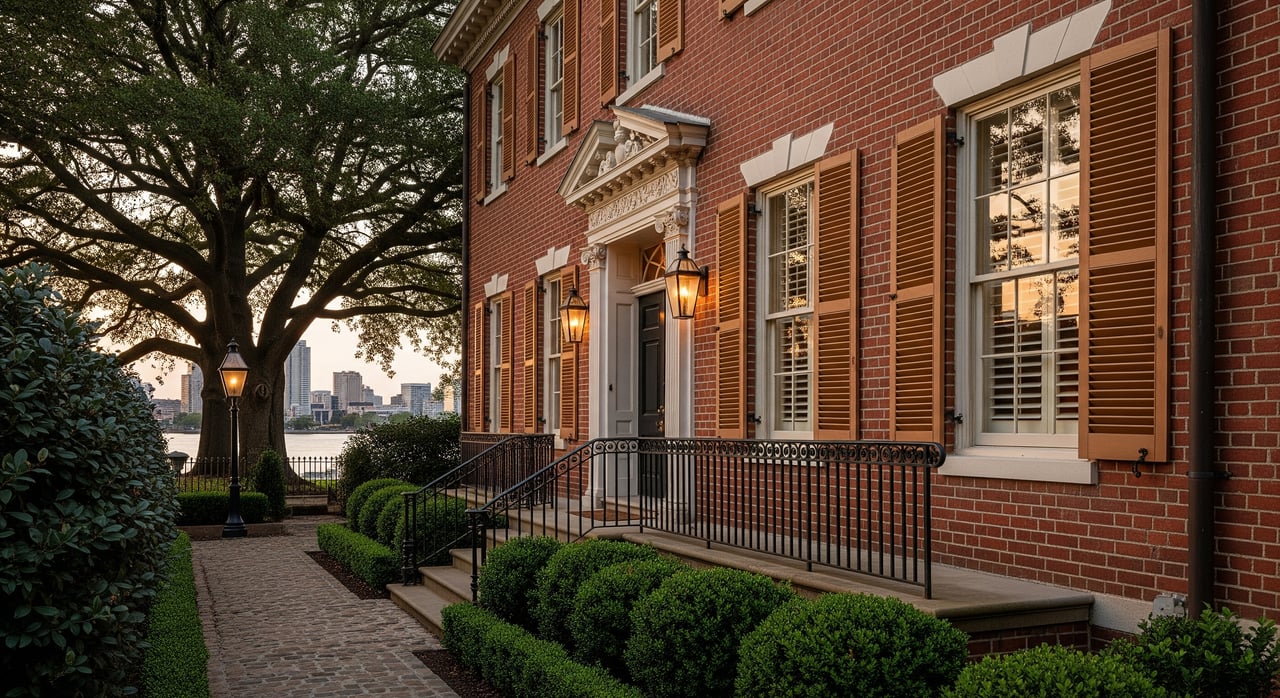
Jurisdiction and school zones can influence buyer demand in the suburbs. If schools are part of your decision, review current boundary maps and recent performance data for the specific district before you set expectations. In the city, historic district rules can shape both appeal and what you can change on the exterior. Confirm any historic designation and design review requirements with the City of Richmond Planning office and the Virginia Department of Historic Resources.
Commute time and transit options affect value too. Suburban buyers often look for quick access to I-95, I-64, and I-195. In the city, access to GRTC bus routes, the Pulse BRT, and bike infrastructure can be a plus for some buyers, but it is not a replacement for parking for every household.
Age and condition matter more than cosmetics
Richmond has many pre-1940s homes with period charm alongside post-war suburban houses. Age alone does not decide value, but condition and functional updates do. Buyers and appraisers factor in cost to cure issues like older wiring, outdated plumbing, inefficient systems, and foundation concerns.
In this climate, moisture and mold in basements or crawlspaces are frequent problems. Addressing roof age, drainage, and ventilation can protect value. When choosing between repairs and a fresh coat of paint, tackle structural, mechanical, and code items first. Cosmetic updates show best when the major systems are sound.
Lot utility and buildability
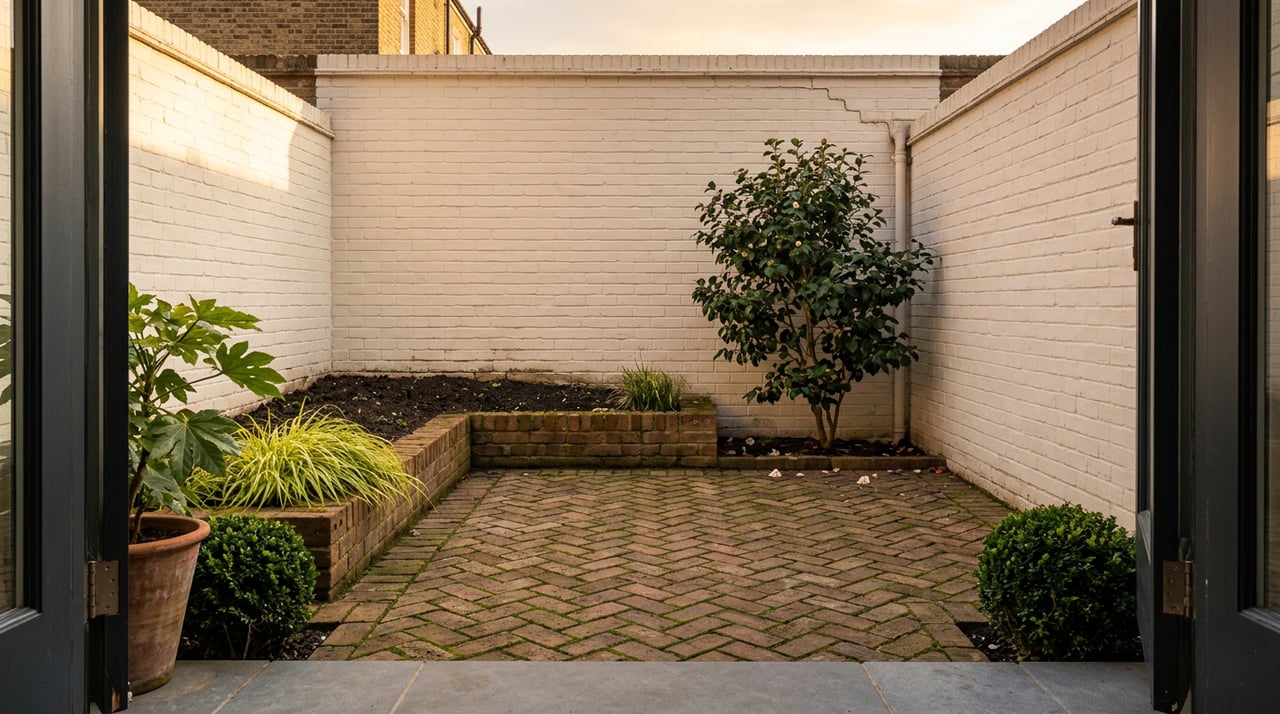
Urban parcels are often narrow and deep with limited yard space. Usable outdoor areas like rear patios, small lawns, and side-yard parking can set a home apart. Where allowed, the potential for additions or accessory dwelling units can add future flexibility, but you should confirm zoning and setbacks before you plan.
Suburban lots typically offer more yard and expansion options. In many neighborhoods, larger usable square footage and practical yard space support higher prices per square foot. Topography also matters. Sloped or low-lying lots can bring drainage constraints and higher site-prep costs.
If a property sits near the James River or a tributary, check flood maps early. Flood-zone designations affect building standards and insurance premiums. In post-industrial areas, ask about past uses if you plan major changes, and consider environmental reports when appropriate.
Parking and access can be a tiebreaker
Parking is a hot button in dense city neighborhoods like The Fan, Church Hill, and Shockoe Bottom. Homes with a driveway, garage, or deeded space usually enjoy a real advantage and often sell faster than similar homes without parking. In the suburbs, a usable driveway and garage are expected; lack of off-street parking is typically a negative.
Walkability and transit can offset limited parking for some buyers in places like Scott’s Addition and downtown. Still, two-car households and commuters often rank dedicated parking as a must-have. If you plan to add parking, know that curb cuts and new paving require permits and must meet city specs. Unpermitted parking work can hurt appraisal and resale.
Renovations that return value in Richmond
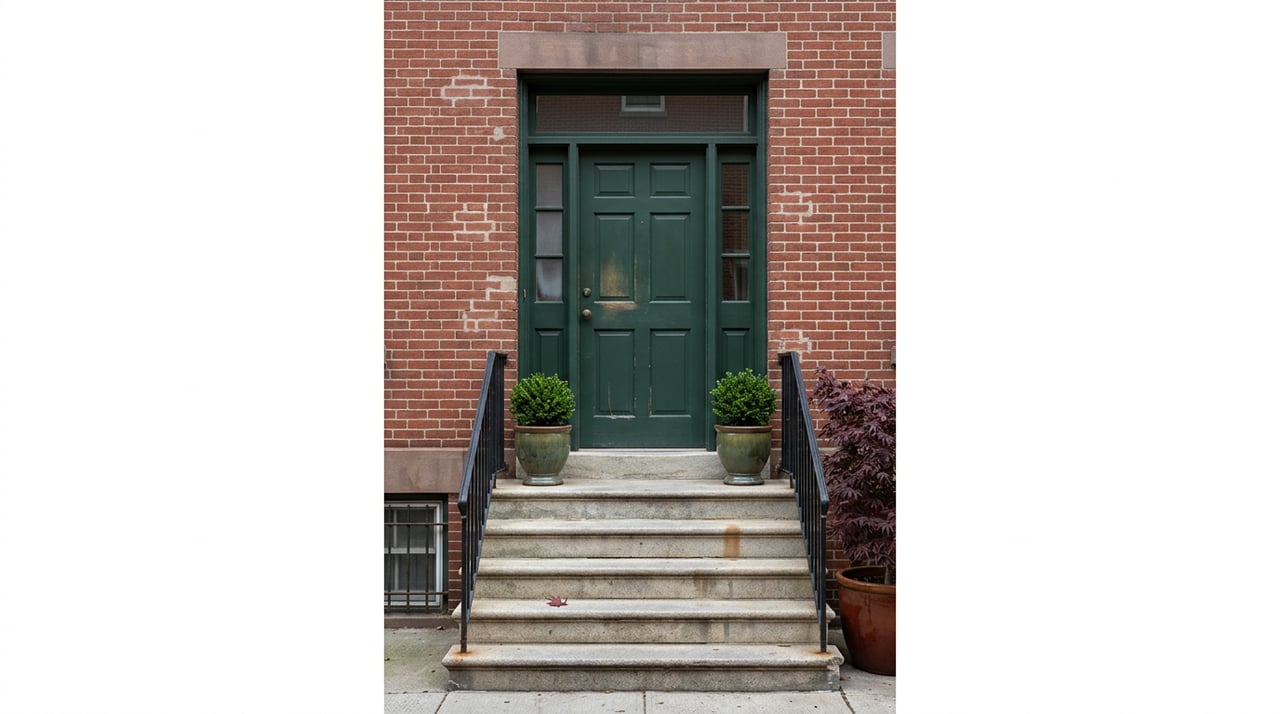
Quality and permits matter more than quantity. High-quality, properly permitted work that fits neighborhood expectations tends to perform best. In historic districts, sympathetic updates that preserve original character can support value while still modernizing how you live.
Keep records of permit history and use licensed contractors where required. Buyers often ask for proof of permits, and appraisers weigh documented improvements more confidently. In Virginia, contractor licensing and code requirements apply to major plumbing, electrical, and HVAC work.
Renovations with reliable ROI locally include:
- Kitchens and bathrooms that are current and functional, especially when you retain period details in historic homes.
- Systems upgrades like new HVAC, efficient water heaters, and electrical panel improvements.
- Energy-efficiency improvements such as insulation, efficient heat pumps, and appropriate window upgrades, along with potential utility rebates from Dominion Energy Virginia.
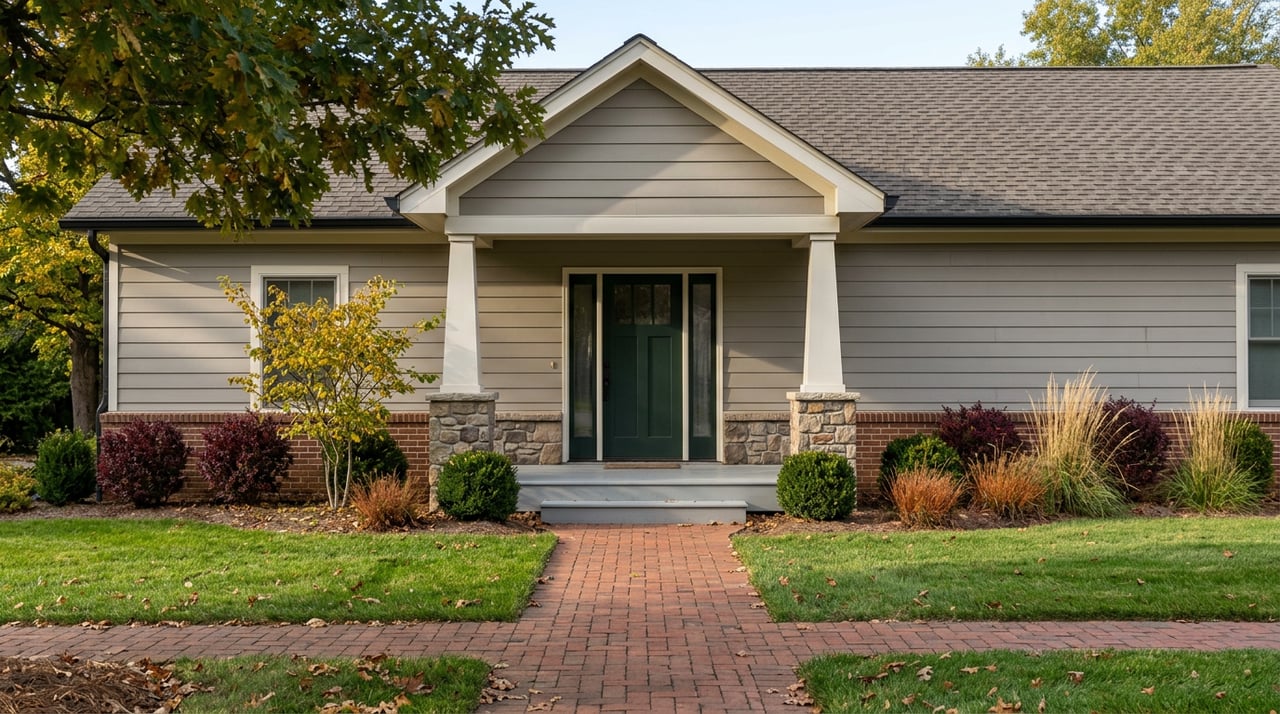
- Exterior upgrades that boost curb appeal, including roof replacement, fresh paint or siding, porch repairs, and thoughtful landscaping.
Always scale your scope to neighborhood comparables. In lower-priced urban areas, focus on essential systems and modest kitchens or baths. In higher-end suburbs, larger additions or higher-grade finishes may pencil out. Avoid overcapitalizing beyond local price-per-square-foot norms.
How to benchmark value like a pro
If you are selling, start with the facts:
- Pull 3 to 6 recent sold comps from your neighborhood within the past 90 days. Adjust for beds, baths, lot size, and condition.
- Note days on market and sale-to-list ratios for context.
- List non-obvious value points such as permitted renovations, off-street parking, historic status, flood zone or insurance needs, school assignment, HOA dues, and any easements.
If you are buying, protect your offer with smart checks:
- Prioritize inspection basics: roof age, foundation, HVAC, electrical service size, plumbing material, signs of water intrusion, and any lead-based paint considerations for pre-1978 homes.
- Verify zoning if you plan additions or rental use. Check recorded permits for recent work.
- Review flood maps and get a flood insurance quote if the property is in or near a floodplain.
- Confirm parking rights and on-street regulations before you commit.
Core due diligence items to request:
- Seller’s permit history and contractor invoices
- Recent utility bills to estimate energy costs
- Property tax assessment and parcel history
- Boundary survey or plat if lot lines or additions are in question
- Lead-based paint disclosure for pre-1978 construction
- HOA rules and financials if applicable
Bringing it together: your next step
Home value in Richmond comes down to details you can verify: micro-location, flood risk, parking, age and condition, and the quality of permitted improvements. When you measure these against recent neighborhood sales, you get a clear, confident price range whether you are buying or selling.
If you want local, hands-on guidance across Richmond and the surrounding suburbs, we are here to help you price with precision, prep smart, and move with confidence. Start with a conversation and a quick estimate. Get your instant home valuation from Hank Cosby.
FAQs
How does river proximity affect Richmond home value?
- It can increase desirability for views and recreation but may raise insurance costs and building requirements if the home is in a flood zone. The net effect depends on the specific flood risk and buyer priorities.
Do historic district rules help or hurt resale in Richmond?
- They can support values by protecting neighborhood character, yet they limit exterior changes and may add costs to projects. The impact depends on buyer preference and your renovation plans.
How much do old systems lower value in older Richmond homes?
- Obsolete or failing systems like aging HVAC, old wiring, and outdated plumbing reduce buyer confidence and appraised value unless pricing adjusts to cover replacements.
How important is off-street parking in city neighborhoods like The Fan?
- Very important for many buyers. A driveway or garage often gives a property an edge over similar homes with only on-street parking.
Which renovations are safest for resale in Richmond?
- Kitchens, bathrooms, mechanical system upgrades, moisture remediation, and energy-efficiency improvements typically deliver reliable returns when matched to neighborhood standards and permitted properly.
What should Richmond buyers verify before planning an addition?
- Confirm zoning and setbacks, review permit history, check flood maps if near waterways, and verify parking or curb cut rules so your project is feasible and financeable.